Festivals
Ganesh Chaturthi
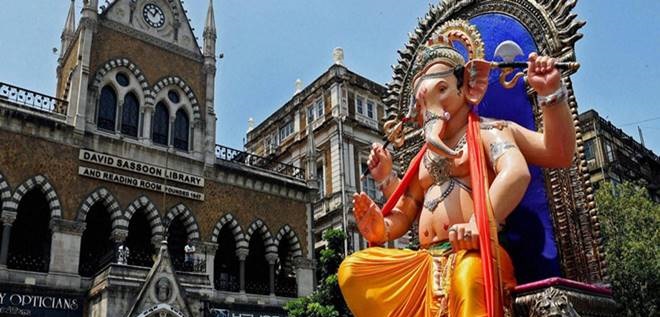
Ganesh Chaturthi(Vinayaka Chaturthi) is the Hindu festival that reveres god Ganesha. A ten-day festival, it starts on the fourth day of Hindu luni-solar calendar month Bhadrapada, which typically falls in Gregorian months of August or September.Public preparations for the festivities begin months in advance. Local Mandapa or Pandal's are usually funded either from donations by local residents or hosted by businesses or community organizations. The making of the Murti in Maharashtra usually begins with "Padya pooja" or worshipping the feet of Lord Ganesh. The Murti's are brought to "pandals" on the day or a day before the festival begins. The pandals have elaborate decoration and lighting.
Bathukamma
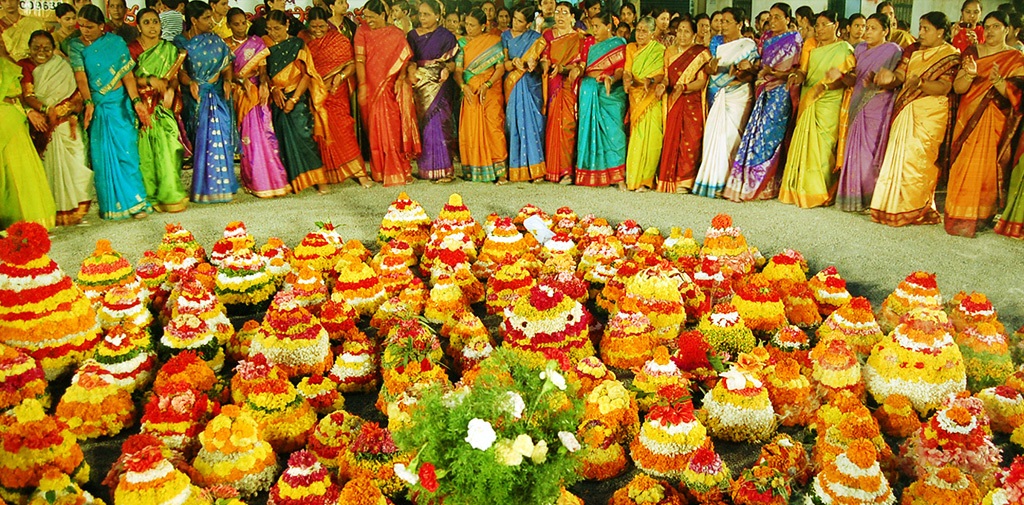
Bathukamma is floral festival celebrated by the Hindu women of Telangana. Every year this festival is celebrated as per Shalivahana calendar for nine days starting Bhadrapada Amavasya till DurgashtamiBathukamma is a colourful and vibrant festival of Telangana and celebrated by women, with flowers that grow exclusively in each region. This festival is a symbol of Telangana’s cultural identity.Bathukamma is celebrated by the women folk of Telangana, heralding the beauty of nature in vibrant colors of multitudinous flowers.The festival begins a week before the grand ‘Saddula Batukamma’ (the grand finale of the Batukamma festival) which falls two days before Dussehra.
Dussehra
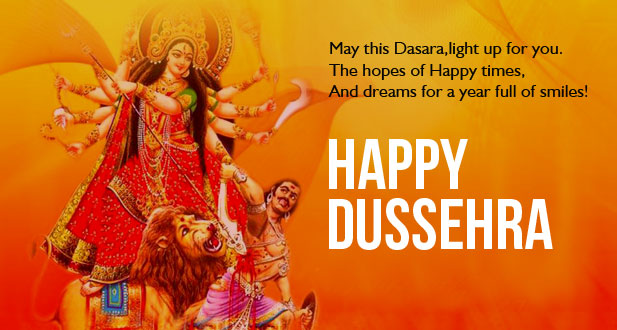
Vijayadasami reveres either Durga or Rama's victory over evil depending on the region. Vijayadashami ( also known as Dasara, Dusshera or dussehra is a major Hindu festival celebrated at the end of Navratri every year. It is observed on the tenth day in the Hindu calendar month of Ashvin, which typically falls in the Gregorian months of September and October. Vijayadasami is observed for different reasons and celebrated differently in various parts of the Indian subcontinent. the eastern and northeastern states of India, Vijayadashami marks the end of Durga Puja, remembering goddess Durga's victory over the buffalo demon to help restore Dharma. In the northern, southern and western states, the festival is synonymously called Dussehra (also spelled Dasara, Dashahara).
Diwali
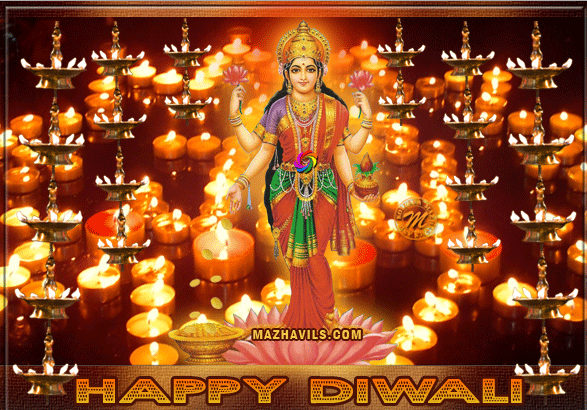
Diwali or Deepavali is the Hindu festival of lights celebrated every year in autumn in the northern hemisphere (spring in southern hemisphere).The festival preparations and rituals typically extend over a five-day period, but the main festival night of Diwali coincides with the darkest, new moon night of the Hindu Lunisolar month Kartika in Bikram Sambat calendar (the month of Aippasi in Tamil Calendar). In the Gregorian calendar, Diwali night falls between mid-October and mid-November.Before Diwali night, people clean, renovate, and decorate their homes and offices. On Diwali night, people dress up in new clothes or their best outfit, light up diyas (lamps and candles) inside and outside their home, participate in family puja (prayers) typically to Lakshmi – the goddess of fertility and prosperity. After puja, fireworks follow, then a family feast including mithai (sweets), and an exchange of gifts between family members and close friends.Deepavali also marks a major shopping period in nations where it is celebrated.
Makara Sankranthi
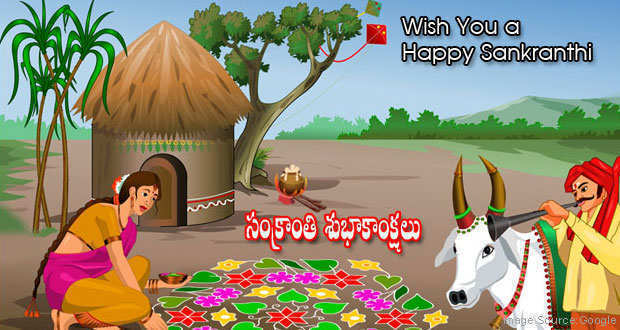
Makar Sankranti refers both to a specific solar day in the Hindu calendar and a Hindu festival in reverence to deity Surya that is observed in January every year. Makar Sankranti is celebrated as a very important festival in India. Sankranti literally means “movement.” Everything that we recognize as life is movement. Fortunately, people who came before us have moved on, and people who come after us are waiting for us to move on – don’t have any doubts about this. The planet is moving and that is why it churns up life. If it were still, it wouldn’t be capable of life. So there is something called movement in which every creature is involved, but if there has to be movement, this movement has to be housed – this movement can only happen in the lap of stillness.
Holi
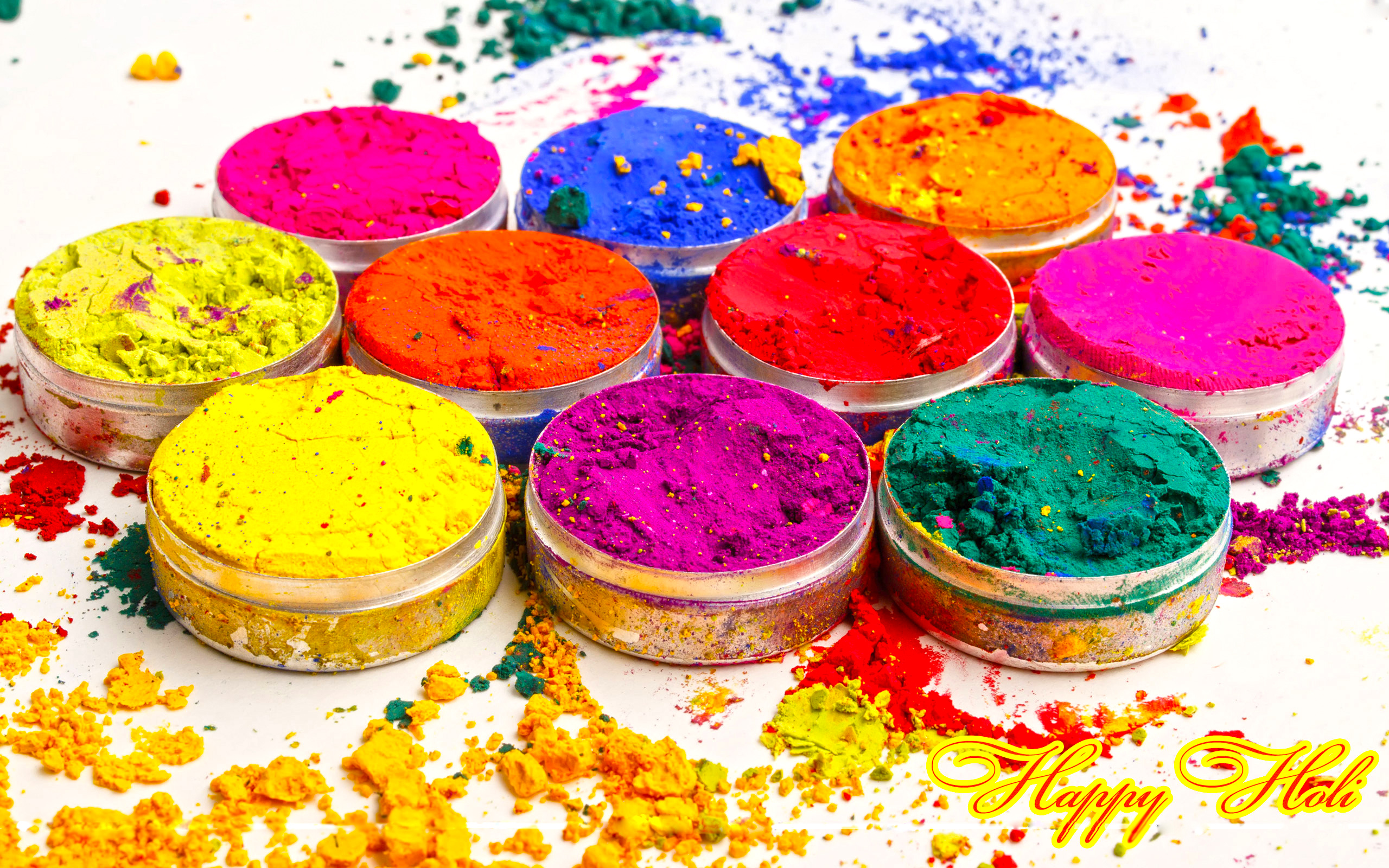
Holi is a Hindu spring festival celebrated in India and Nepal, also known as the "festival of colours" or the "festival of love".The colorful festival of Holi is celebrated on Phalgun Purnima which comes in February end or early March. Holi festival has an ancient origin and celebrates the triumph of 'good' over 'bad'. The colorful festival bridges the social gap and renew sweet relationships. On this day, people hug and wish each other 'Happy Holi'. Holi celebration begins with lighting up of bonfire on the Holi eve. Numerous legends & stories associated with Holi celebration makes the festival more exuberant and vivid. People rub 'gulal' and 'abeer' on each others' faces and cheer up saying, "bura na maano Holi hai". Holi also gives a wonderful chance to send blessings and love to dear ones wrapped in a special Holi gifts.
Raksha Bandhan
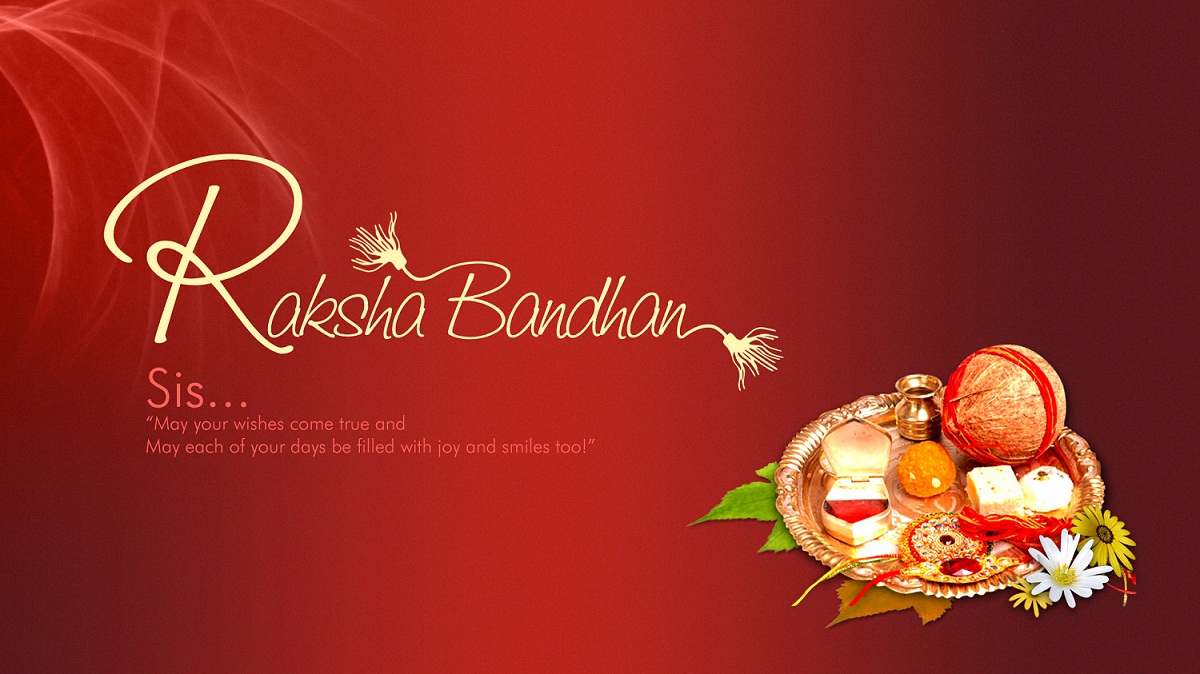
Raksha Bandhan or simply Rakhi, is an annual rite performed in South Asia, or by people of South Asian origin, and centred around the tying of a thread, talisman, or amulet on the wrist as a form of ritual protection. Rakhi is basically a sacred thread of Rakhi is basically a sacred thread of protection embellished with the love and affection of a sister for her brother. This day is also known as Raksha Bandhan and celebrated on the full moon day of the Hindu month of Shravana in India. This frail of thread of Rakhi is considered as stronger than iron chains as it binds the most beautiful relationship in an inseparable bond of love and trust. Rakhi festival also has a social significance because it underlines the notion that everybody should live in harmonious coexistence with each other.
Krishna Janmashtami
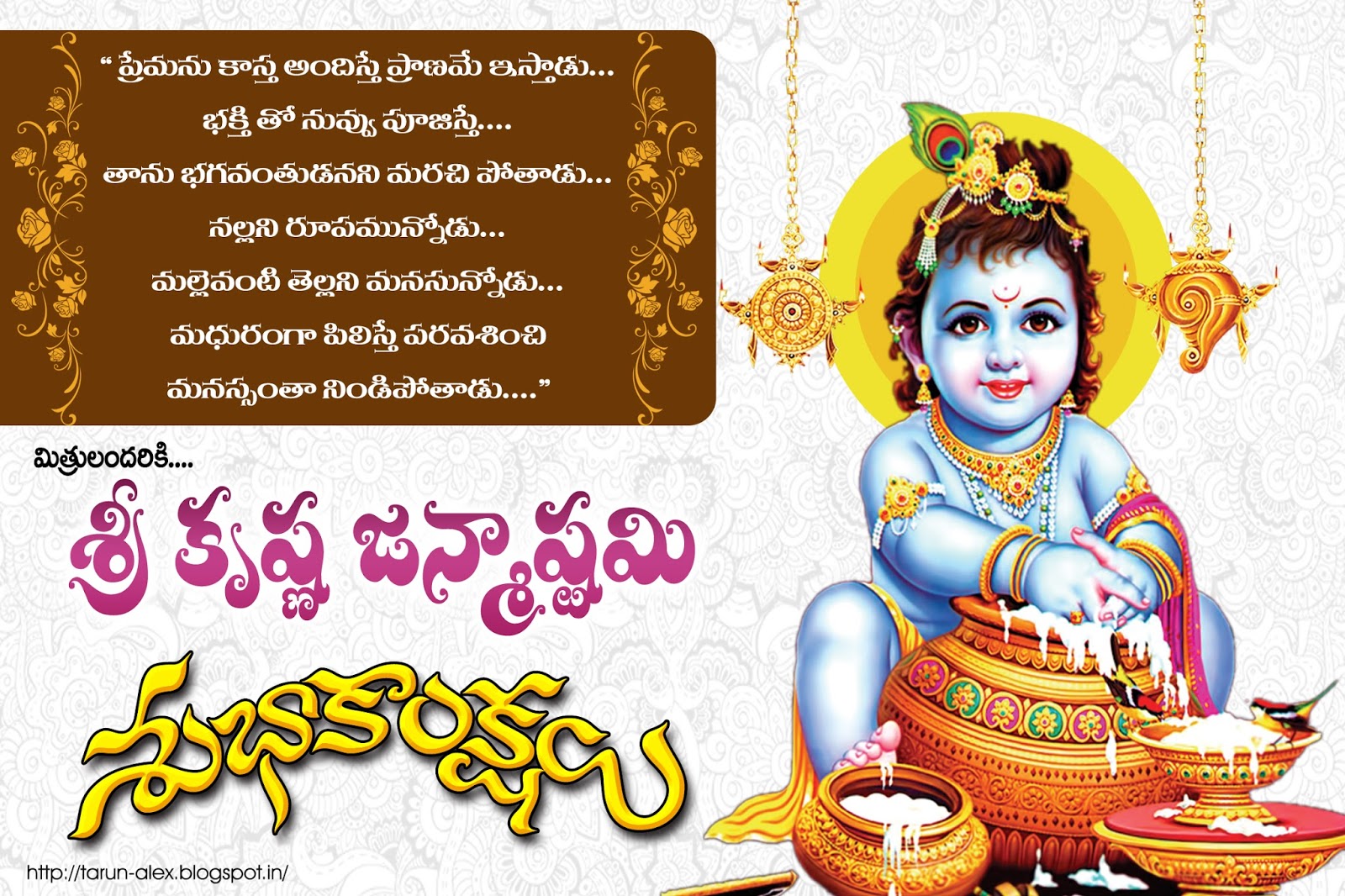
krishna Janmashtami, also known simply as Janmashtami, is an annual Hindu festival that celebrates the birth of Krishna, the eighth avatar of Vishnu.It is an important festival particularly to the Vaishnavism tradition of HinduismDance-drama enactments of the life of Krishna according to the Bhagavata Purana (such as Rasa lila or Krishna Lila), devotional singing through the midnight when Krishna is believed to have been born, fasting (upavasa), a night vigil (jagarana), and a festival (mahotsava) on the following day are a part of the Janmashtami celebrations It is celebrated particularly in Mathura and Brindavan, along with major Vaishnava communities found in Manipur, Assam, West Bengal, Odisha, Madhya Pradesh, Rajasthan, Gujarat, Maharashtra, Karnataka, Kerala, Tamil Nadu, Andhra Pradesh and other regions
Maha Shivarathri
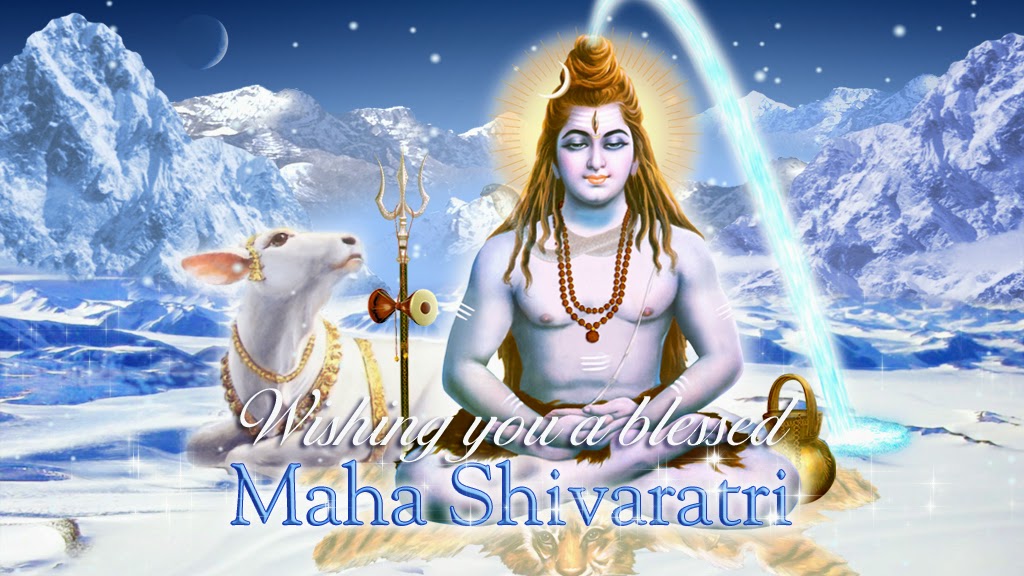
Maha Shivaratri is a Hindu festival celebrated annually in honour of the god Shiva. According to a popular legend, when a hunter could not find anything to kill for his food in a forest, he waited on the branch of a Woodapple tree. In order to attract deer, he started throwing the leaves of the tree on the ground, unaware that there was a Shiva Lingam beneath the tree. Pleased with the Woodapple leaves and the patience of the hunter, it is believed that Lord Shiva appeared in front of the hunter and blessed him with wisdom. From that day onwards, the hunter stopped eating meat. Another legend has it that after the Earth was faced with an imminent destruction, Goddess Parvati pledged with Lord Shiva to save the world. Pleased with her prayers, Lord Shiva agreed to save the world on the pretext that the people of the Earth would have to worship him with dedication and passion. From that day onwards, the night came to be known as Maha Shivratri and people began worshipping Shiva with a great enthusiasm.